


For many people, “Made in Vietnam” is simply a small line of text on the back of a package, indicating that a product was manufactured or finished in Vietnam, an important manufacturing hub for brands in global supply chains (especially in the U.S.) thanks to relatively low and competitive production costs, much like China, the Philippines, Cambodia, India, Mexico, and others. For me, however, “Made in Vietnam” is a phrase, a label that carries many hopes and deserves to be known for much more than that. A growing number of Vietnamese entrepreneurs and businesses are showing that Vietnamese people are fully capable of creating products that are high-quality, durable, diverse, refined, and inventive in their use of materials, while still pursuing values such as social responsibility, environmental protection, cultural preservation, and sustainable development.
That is what inspired me to create this article: an open, continuously updated collection of products that make suitable gifts, especially gifts that are truly “Made in Vietnam,” made in Vietnam by Vietnamese people and Vietnamese businesses, right here on Vietnamese land.
So whenever I need a gift for friends or international partners, or want to introduce products that are genuinely “Made by Vietnam,” I can simply open this list, choose something to buy, and have a story to tell.
And if you happen to be a foreign reader who has come across this article, or you are traveling in Vietnam and looking for a Vietnamese product to bring home as a gift for family or friends, I hope this list gives you a few ideas that are “unmistakably Vietnamese.”
1. THE COCOON ORIGINAL VIETNAM
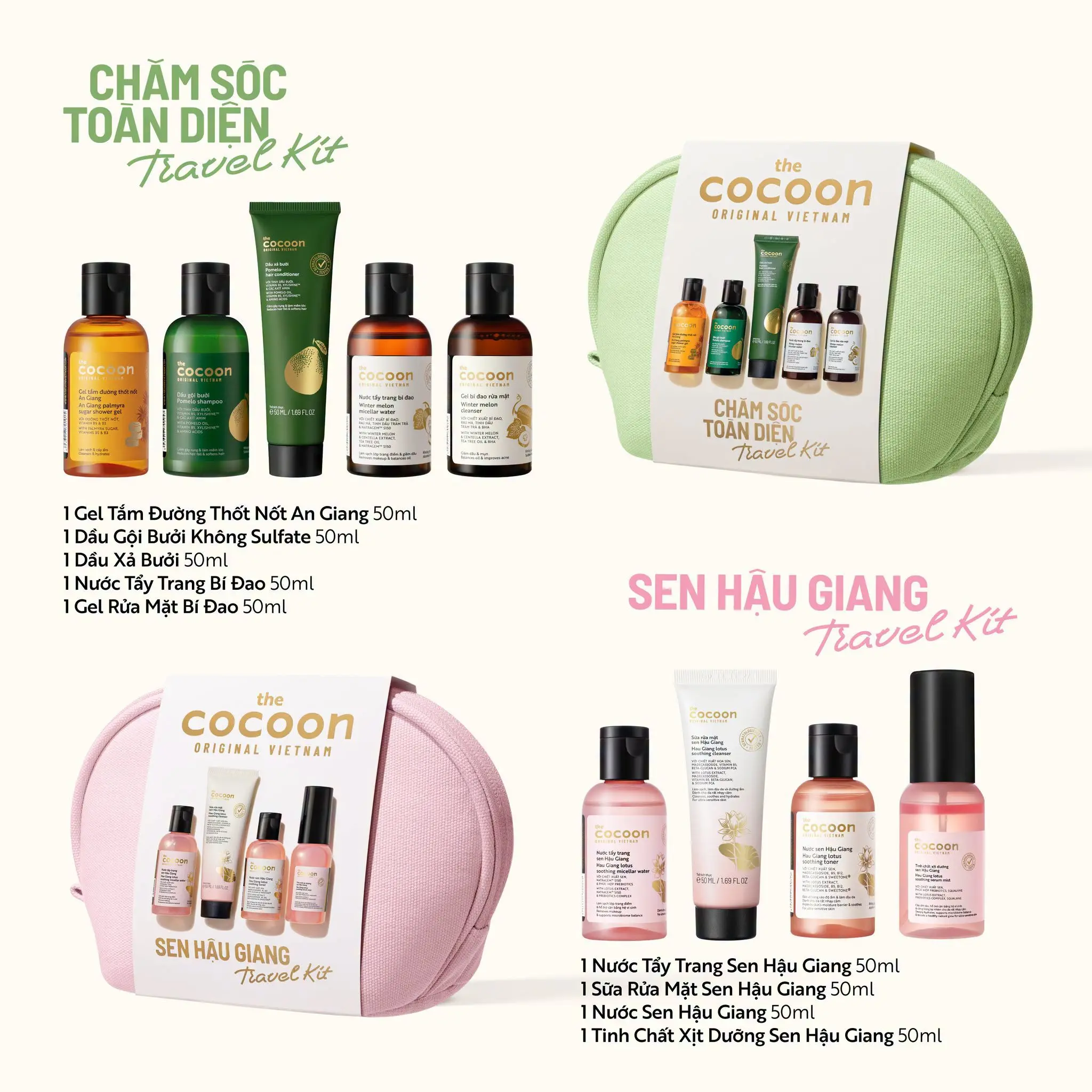
This is a 100% vegan cosmetics brand manufactured in Vietnam, with a commitment to using ingredients that are fully traceable and safe for the skin, and to never testing on animals. The brand offers a wide range of products for skincare, haircare, body care, and lip care, as well as travel kits that can make suitable gifts for people who travel frequently or often go on business trips. I have only used two of their products so far, but I found them to be good-quality and non-irritating for my skin, even though my skin is quite sensitive. Still, it is best to try the products yourself before deciding to buy them as gifts.
Website: https://cocoonvietnam.com/
2. SOKFARM
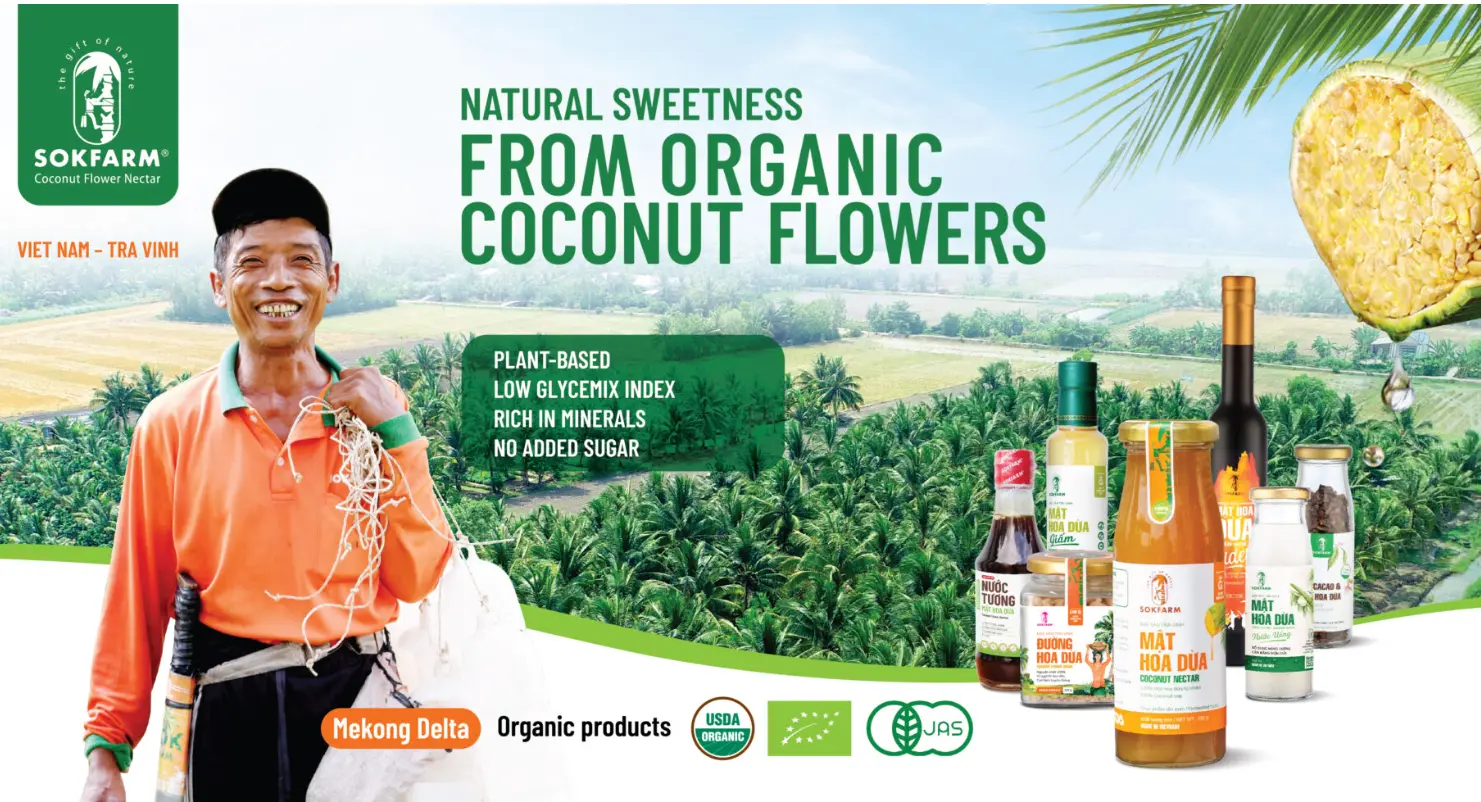
This is the first brand in Vietnam to produce products from organic coconut flower nectar. It follows a social impact business model closely connected to farmers’ livelihoods, the environment, and local culture in Trà Vinh. Instead of harvesting only coconuts, Sokfarm produces its products using the traditional technique of collecting nectar from coconut blossoms practiced by the Khmer community in southern Vietnam. Sokfarm’s products are suitable for children, people following special diets, vegetarians, athletes, and those who are health-conscious. However, I would recommend trying some of their products yourself before buying them as gifts. Because most of the flavors come from natural ingredients, they tend to be mild rather than intensely flavored and may not suit people who expect a stronger taste than that of conventional commercial products.
Website: https://mathoaduasokfarm.com/
3. SHANAM
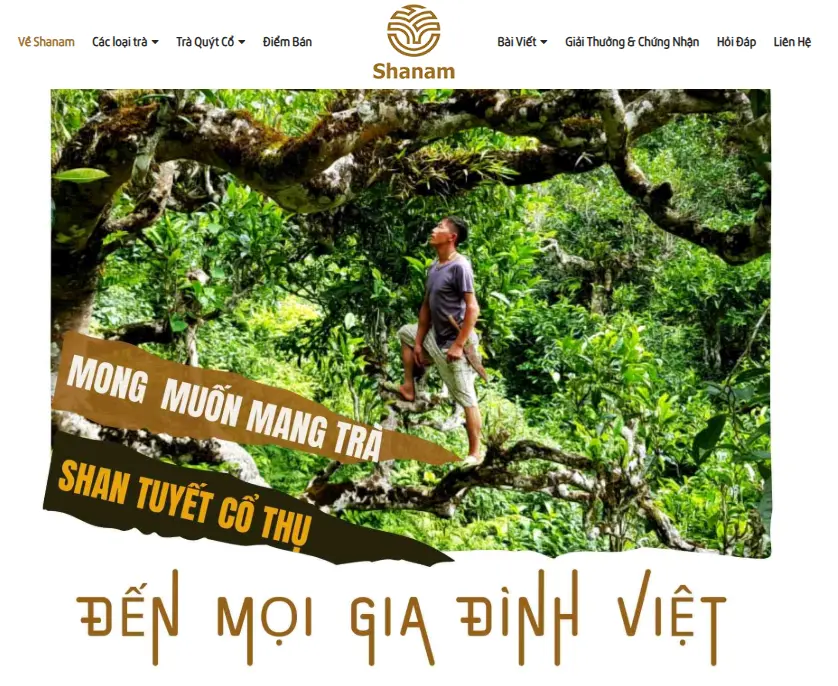
This tea brand specializes in developing ancient Shan Tuyết tea from Tà Xùa and Sùng Đô. The tea leaves are hand-picked by local communities and processed entirely in Vietnam. To me, their Shan Tuyết tea has a gentle astringency, a light aroma reminiscent of wildflowers, and a lingering sweet finish. If the person you are buying for prefers lighter-tasting teas, this could be a suitable choice. Although I really like the story behind the brand and the way they produce their tea, one thing I personally find less appealing is the packaging. In my view, it is not quite visually distinctive enough to reflect the level of investment one might expect at its price point, especially compared with other products on the market with more polished packaging.
Website: https://shanam.com.vn/
4. PUNCOFFEE
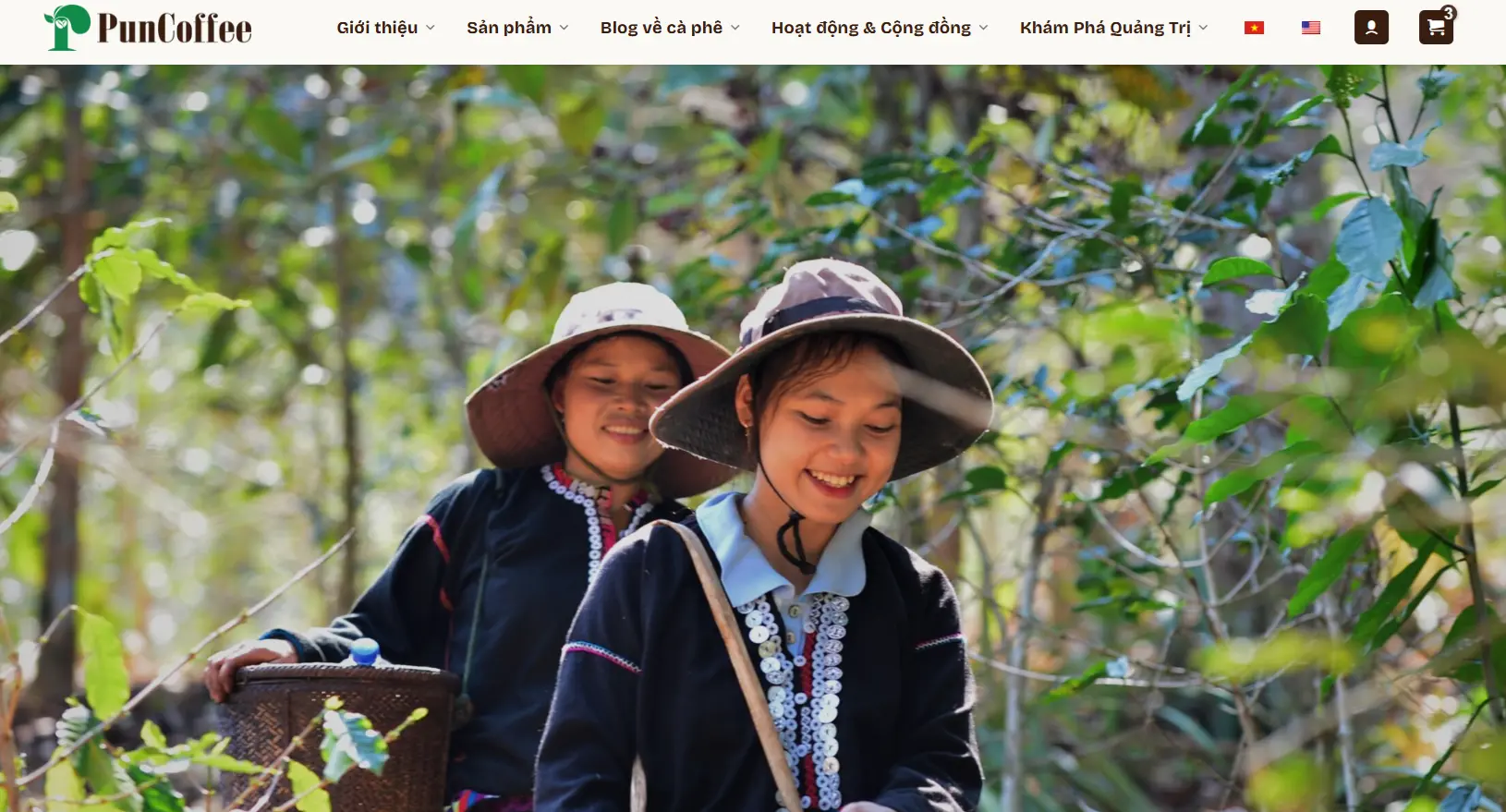
This is a coffee company from Quảng Trị whose greatest strength, in my view, is its highly localized and well-integrated production chain. Its approximately 250-hectare growing area is located in Hướng Phùng, Quảng Trị, where the company works with 175 farming households and partners with members of the Vân Kiều ethnic minority community. PunCoffee directly handles preliminary processing, production, and roasting at its factory in Quảng Trị and operates under a farm-to-cup coffee model. It has also received numerous awards in the Arabica category at the Vietnam Amazing Cup, including first place in 2021, 2023, and 2024, as well as a joint first prize in 2025.
Website: https://puncoffee.com/
5. ALLUVIA CHOCOLATIER
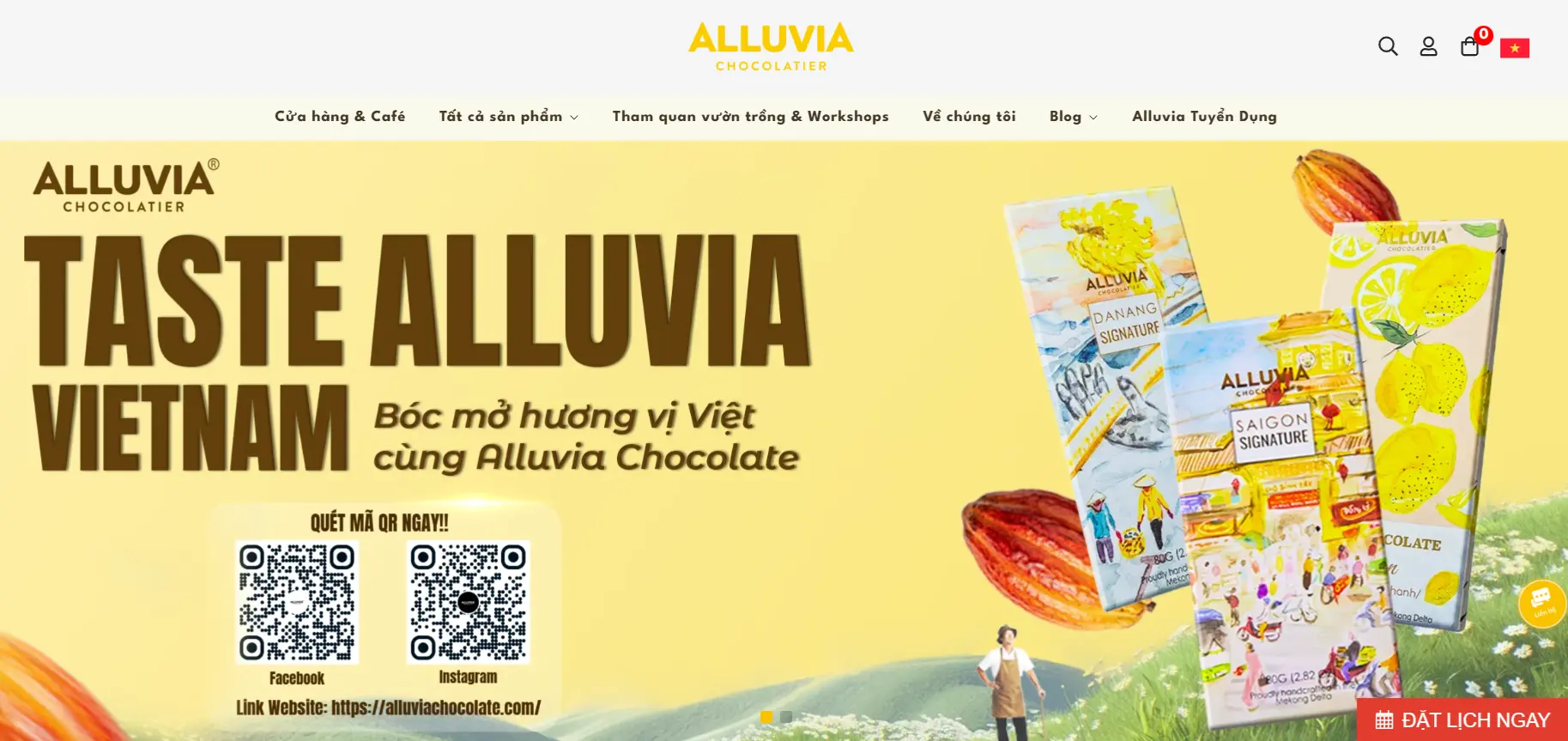
This is an artisanal chocolate brand run by two generations of the same family in Vietnam. The father began developing a cacao farm in Chợ Gạo in 2005, while his daughter later took charge of developing the business and bringing the brand to market. The brand’s cacao is grown in Chợ Gạo, Tiền Giang, in the Mekong Delta, then fermented, dried, roasted, ground, and processed into chocolate. What makes Alluvia interesting is not only its products and investment in packaging design; the brand also organizes farm visits and hands-on chocolate-making workshops. You do not simply buy the product—you can experience the process behind it as well.
Website: https://alluviachocolate.com/
6. OHQUAO STORE
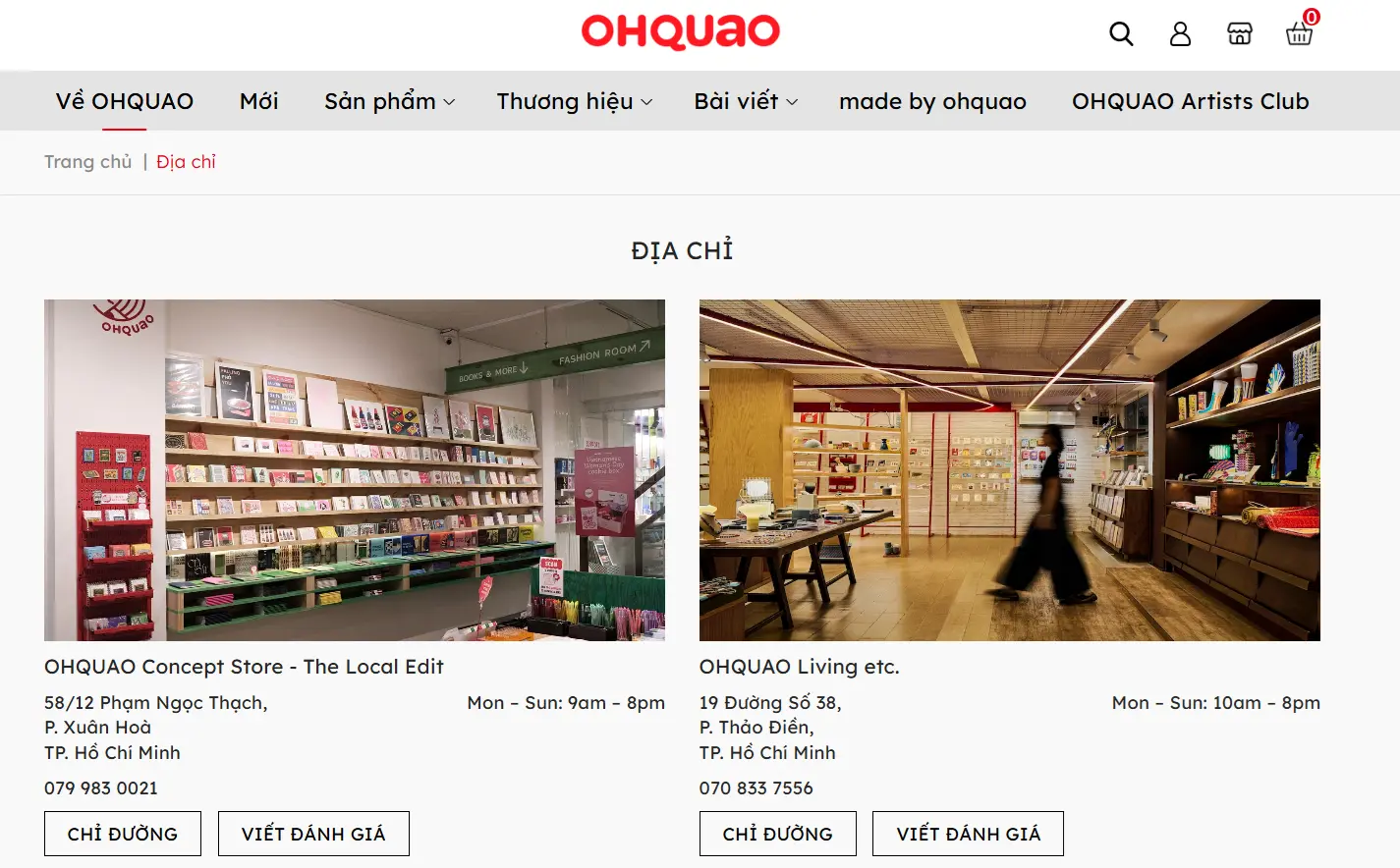
This store carries products from more than 100 local brands and artists. It currently has three locations in Ho Chi Minh City. If you would rather visit a physical store and browse a wide variety of gifts in person, I think OHQUAO is well worth a stop. To me, it feels like a space showcasing products created by a younger generation of Vietnamese entrepreneurs with distinctive attitudes, ideas, and creative energy.
Website: https://ohquao.com/
7. ZÓ PROJECT VIETNAMESE TRADITIONAL PAPER
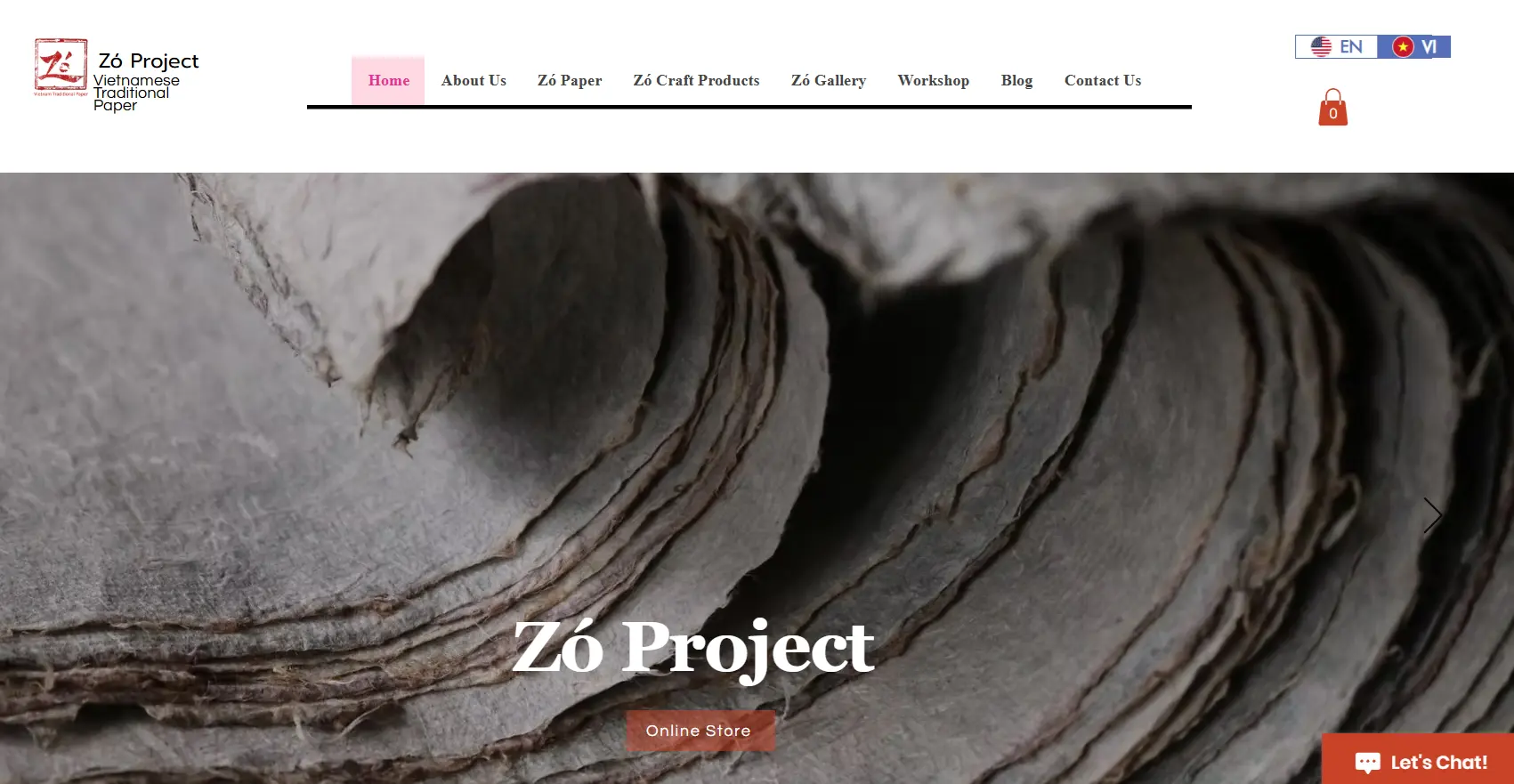
Zó is a business model that fits my idea of a “unique profile” particularly well. Rather than simply selling products decorated with Vietnamese motifs, the project focuses very specifically on a cultural material that is gradually disappearing today: traditional Vietnamese handmade paper. I would like to quote the description from their website in full so that the story remains intact and you can better understand the project and the social issue it seeks to address:
“The technique of making Dó paper appeared in Vietnam in the third century. Thanks to the natural characteristics of the Dó tree bark (Rhamnoneuron balansae), Dó paper is known for its durability, toughness, and delicate fibers visible on the surface. Dó paper subsequently became part of Vietnam’s wet-rice culture, appearing in written documents, manuscripts, royal edicts, scholars’ calligraphic couplets, and Hàng Trống and Đông Hồ folk paintings. However, with the rapid pace of industrialization and modernization, Dó paper and traditional Dó papermaking methods are no longer as widely used or known as they once were. As a result, papermaking techniques, related products, and Dó papermaking villages have gradually declined. Today, only three households in the traditional papermaking village in Bắc Ninh continue to practice the craft, while the areas supplying Dó raw materials are no longer clearly identified or concentrated.”
Website: https://www.zoproject.com/
8. BÀNG-LEAF CONICAL HATS BY ARTISAN VÕ NGỌC HÙNG
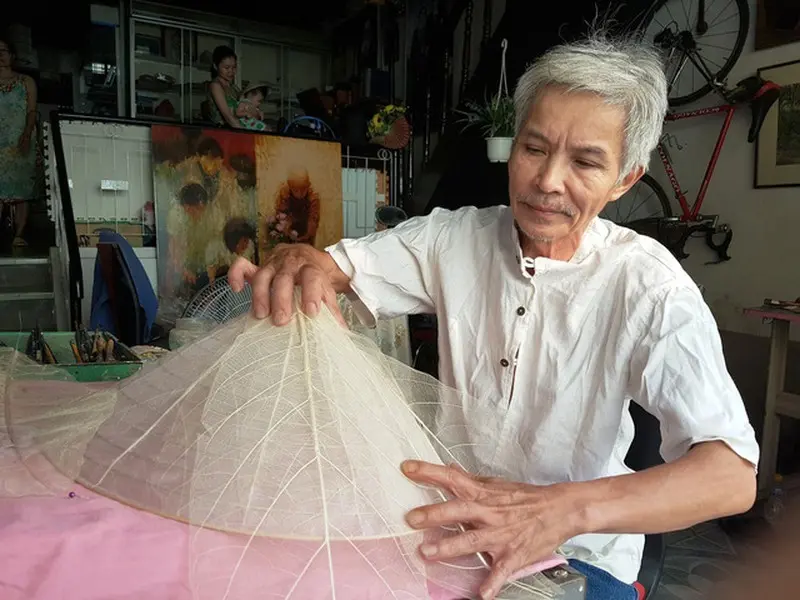
I first learned about this product in Episode 6 of Siêu Trí Tuệ Việt Nam in 2019, when artisan Võ Ngọc Hùng took part in the “Phù thủy nón lá” challenge. The props consisted of 50 translucent bàng-leaf conical hats that looked almost identical. He was required to correctly identify the hat selected by the judges simply by observing it. Based on what I have found, he is credited with creating this distinctive, delicate, and visually beautiful type of conical hat. However, it appears that he and his family have not developed a strong online presence through websites or social media channels. At the moment, I have only been able to find the Facebook page created by him and his family. If you are interested, you may need to send them a direct message to place an order, or visit them in person if you travel to Huế.
Facebook: https://www.facebook.com/Non.la.bang.Ngoc.Hung/
9. 100 ĐỐT
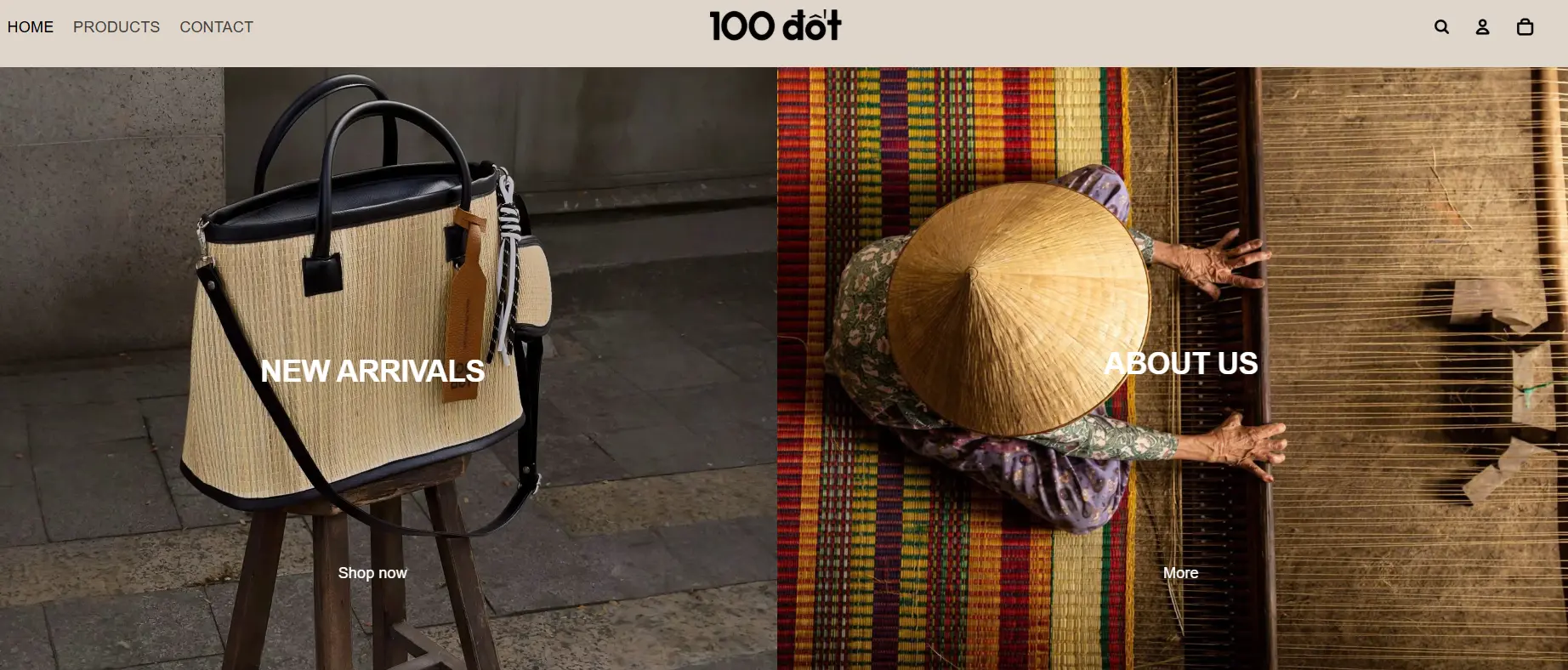
To me, this is a brand that feels both very youthful and distinctly Vietnamese. What I find most interesting is how the brand “revives” the traditional woven-mat material of southern Vietnam and, through a younger generation’s creativity and distinctive personality, transforms it into bags, hats, sandals, fans, and fashion accessories that feel more relevant to younger consumers—without stripping the material of its original structure, colors, or texture. Personally, my favorite piece in their collection is probably the GÀ BAG. It is modern, stylish, and reasonably priced, yet it also reminds me strongly of childhood days spent lying on woven mats and carrying a woven market basket while going shopping with my grandmother.
Website: https://100-dot.com/
SPICE PRODUCTS FOR WHOLESALE AND EXPORT
HAGIMEX
This company produces premium canned fruits and vegetables as well as spices, with a focus on preserving natural, original flavors. It has a factory in Vietnam and directly processes product groups such as pickled cucumbers, canned pineapple, canned lychee, cinnamon, star anise, and other fruits and vegetables. However, what I see as Hagimex (GUSTO)’s greatest strength is its Vietnamese cinnamon and star anise. It may seem a little unusual to include Hagimex on this list, but to me, these could make particularly suitable gifts for people working in the F&B industry, those who enjoy cooking, spend a lot of time experimenting with spices in the kitchen, or are looking for new seasonings for their business.
Website: https://hagimex.com/ and https://gusto.vn/
VINASAMEX
This company specializes in cinnamon, star anise, organic spices, essential oils, and botanical ingredients. It currently operates four processing factories, manages more than 7,700 hectares of organic raw-material areas, and works directly with more than 4,000 farming households in Lào Cai, Lạng Sơn, Tuyên Quang, Thái Nguyên, and Quảng Trị. The company follows a social impact business model, working with upland farming households, providing training in organic cultivation, and making commitments related to working conditions, biodiversity, and local livelihood development. According to the company’s website, 100% of households in its value chain cultivate production forest land using sustainable practices and do not use prohibited chemicals or GMOs.
Website: https://vinasamex.com/
DACE
This company specializes in producing and processing organic spices such as ginger, turmeric, chili, garlic, lemongrass, cinnamon, and star anise. Its main sourcing area is in Cao Bằng, where it works with local farming households to develop an organic spice supply chain. One of its strongest points is a fairly rigorous certification system, with certifications including USDA Organic, EU Organic, JAS, Naturland, Bio Suisse, and Fair for Life across multiple product groups. Some of its products are also easier to find on e-commerce platforms than those of the companies mentioned above. One product I have personally tried from this company is DACE pure chili sauce, which suited my taste quite well. For a while, I even used to carry a bottle of this chili sauce with me on overseas business trips because many places did not have chili available.
Website: https://www.dace.vn/
[THIS LIST IS STILL BEING CONTINUOUSLY UPDATED]